Psychology-Based Tools for Youth Leadership

A European training project using coaching and NLP to strengthen youth workers’ leadership, communication, and facilitation skills.
  • 6 partner countries — Romania, Ireland, Greece, Türkiye, Hungary, Italy
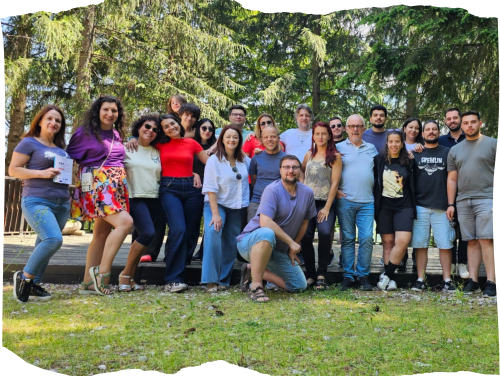
  • 26 participants —24 youth workers and 2 trainers
  • Co-funded by the European Union through the Erasmus+ programme

Erasmus+ 2025-3-RO01-KA153-YOU-000371973 • Romania, 2026

Discover the Project ↓

Psychology-Based Tools for Youth Leadership

It’s a shared learning journey where youth workers from across Europe come together to explore one essential question:

How do we truly connect with young people today?

What is PBT?

PBT — Psychology-Based Tools for Youth Leadership — is a European training project coordinated by AsterX Association (Romania) and implemented in partnership with five youth organisations from Ireland, Greece, Türkiye, Hungary, and Italy.

The project is funded by the European Union through the Erasmus+ KA153-YOU programme and runs from January to September 2026. Its central activity is a six-day residential training course for youth workers, bringing together 24 practitioners from six European countries to develop a shared toolkit of psychology-based and coaching methods for their daily work with young people.

PBT is the first project implemented under Coach4Values — AsterX’s organisational strategy for 2026–2030 — which uses coaching, NLP, and non-formal education to support communities in discovering their values, participating in civic life, and navigating the digital world critically and safely.

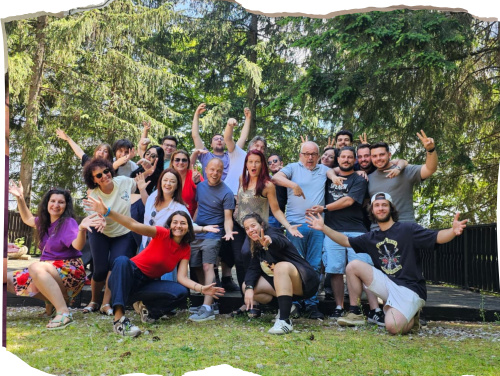
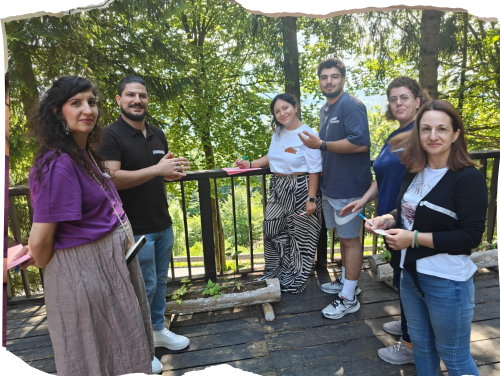
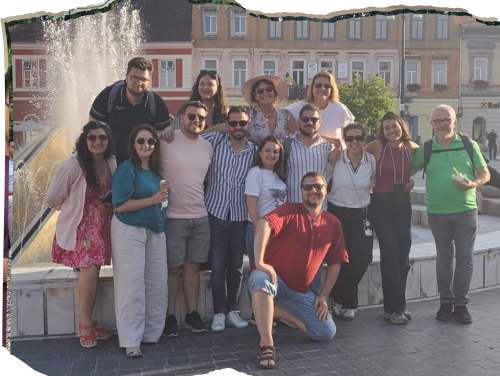
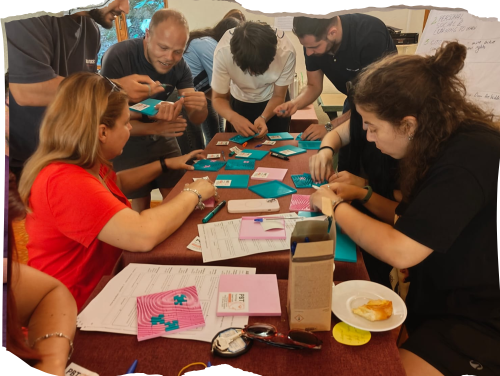
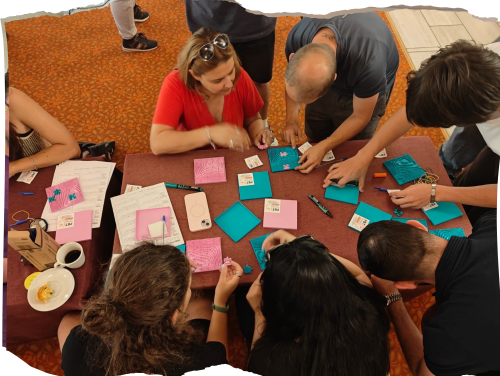
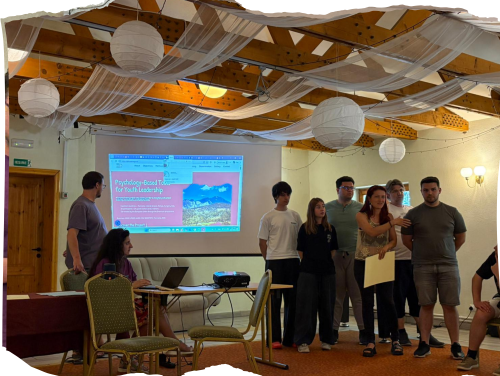
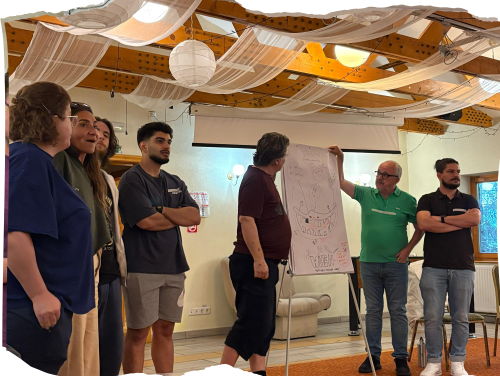
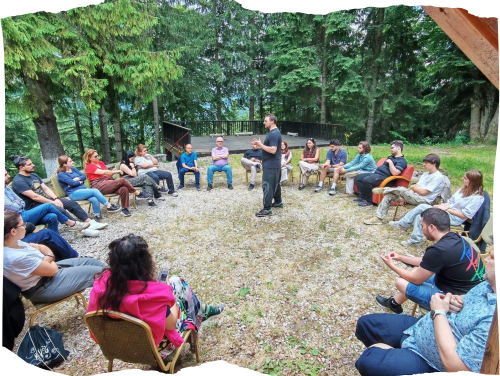
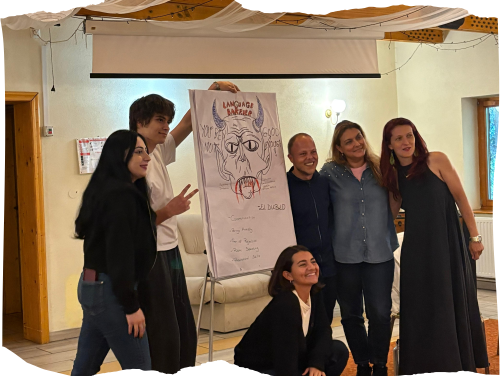
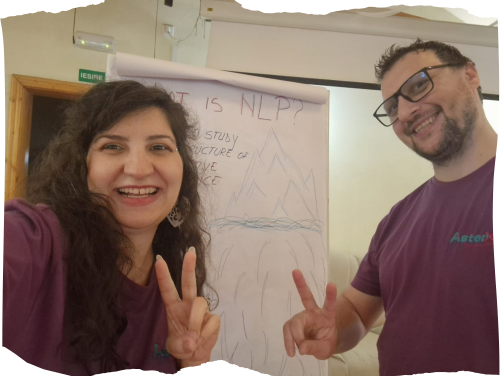
Training experience
Real conversations
Real group dynamics
Real Challenges

Why does this project exist?

Youth workers across Europe face a common challenge: working with increasingly diverse, disengaged, or disconnected young people. PBT addresses this by equipping practitioners with psychology-based tools that are immediately applicable in their daily work.

Leadership & Communication
Strengthen youth workers’ leadership, communication, and emotional intelligence, enabling them to guide groups with greater confidence and clarity.
Connection & Inclusion
Improve the capacity to build genuine connection and foster inclusion within diverse youth groups, using tools rooted in NLP and coaching psychology.
Practical Tools & Methods
Develop a shared toolkit of practical methods — drawn from coaching and NLP — for dialogue, facilitation, and emotional safety in youth work settings.
Transnational Cooperation
Build lasting transnational cooperation and shared professional practice among the six partner organisations and their communities.

Expected impact

Participants
Stronger facilitation skills, better inclusion strategies, clearer communication, and improved reflective practice — applied in their home communities within three months of the course.
Organisations
Higher-quality youth activities, local replication of coaching and NLP methods, sustainable community impact, and stronger international cooperation networks.
Community
Dissemination activities in each partner country that share the learning with local youth, fellow practitioners, educational stakeholders, NGOs, and public institutions.

How we work

PBT is built on non-formal education principles: learning by doing, experiential reflection, peer exchange, and participant-centred design. All methods are drawn from evidence-based psychology traditions — Neuro-Linguistic Programming (NLP) and coaching — adapted for the specific context of youth work facilitation.

Why NLP for youth work?

NLP offers practical tools for understanding how people think, communicate, and change. In youth work, this means knowing how to build trust quickly, guide a young person from a stuck state to a resourceful one, and facilitate group dynamics with intention and skill. These are not theoretical concepts: participants learn, practise, and leave with tools they can use the very next day.

The six thematic modules
module 1
1. Introduction & Group Synergy
Establishing the learning contract, setting personal learning objectives through Youthpass, and building initial trust and connection within the international group.

Youthpass • Group dynamics • Learning goals
module 2
2. NLP Foundations
An overview of NLP principles and their relevance for youth work. Exploring clarity and reframing, useful beliefs, and how to read emotional states and guide participants toward resourceful futures.

NLP overview • Reframing • State management
module 3
3. Building Connection & Understanding MindsetsSafety
Deepening rapport-building skills and exploring metaprograms — the mental filters through which people perceive and respond to the world. Group discussions on applying these insights in diverse youth settings.

Rapport • Metaprograms • Inclusion

module 4
4. Positive States & Motivation Tools
Anchoring techniques for sustaining positive emotional states in youth groups. Practical exercises in recognising and shifting motivational patterns.

Anchoring • Motivation • Emotional intelligence
module 5
5. Youth Worker Toolkit & Growth
Integrating metaphors, perceptual positions, and a short coaching model into the youth worker’s practice. Identifying and removing mental blocks that limit young people’s potential.

Coaching model • Metaphors • Perceptual positions
module 6
6. Integration, Recognition & Closure
Consolidating learning, completing Youthpass reflection, peer recognition of growth, and final evaluation of the course.

Youthpass • Evaluation • Recognition

Six countries. One shared commitment.
AsterX Association
Romania, Călărași
Non-formal education, coaching and NLP, youth empowerment and community development in rural and peri-urban areas.
Associazione Eurokom
Italy, Gerace (Calabria)
Association promoting European mobility, intercultural learning, active citizenship, and youth participation in Southern Italy.
Hellas for Us
Greece, Kozani
Youth organisation focused on civic participation, intercultural dialogue, and empowering young people in Western Macedonia.
Dağcılık Doğa Spor Kulübü
Türkiye, Adana
Organisation combining sports, personal development, intercultural learning, teamwork, inclusion, and youth work to build leadership and social skills among young people.
Tudatosságért és Környezetért Alapítvány
Hungary, Budapest
Foundation dedicated to environmental awareness, conscious living, and civic engagement among youth and the broader community.
I Like Dublin
Ireland, Balbriggan
Social enterprise providing non-formal learning, language courses, intercultural dialogue, community engagement, and youth exchange opportunities in a fast-growing, multicultural community.

The people behind PBT

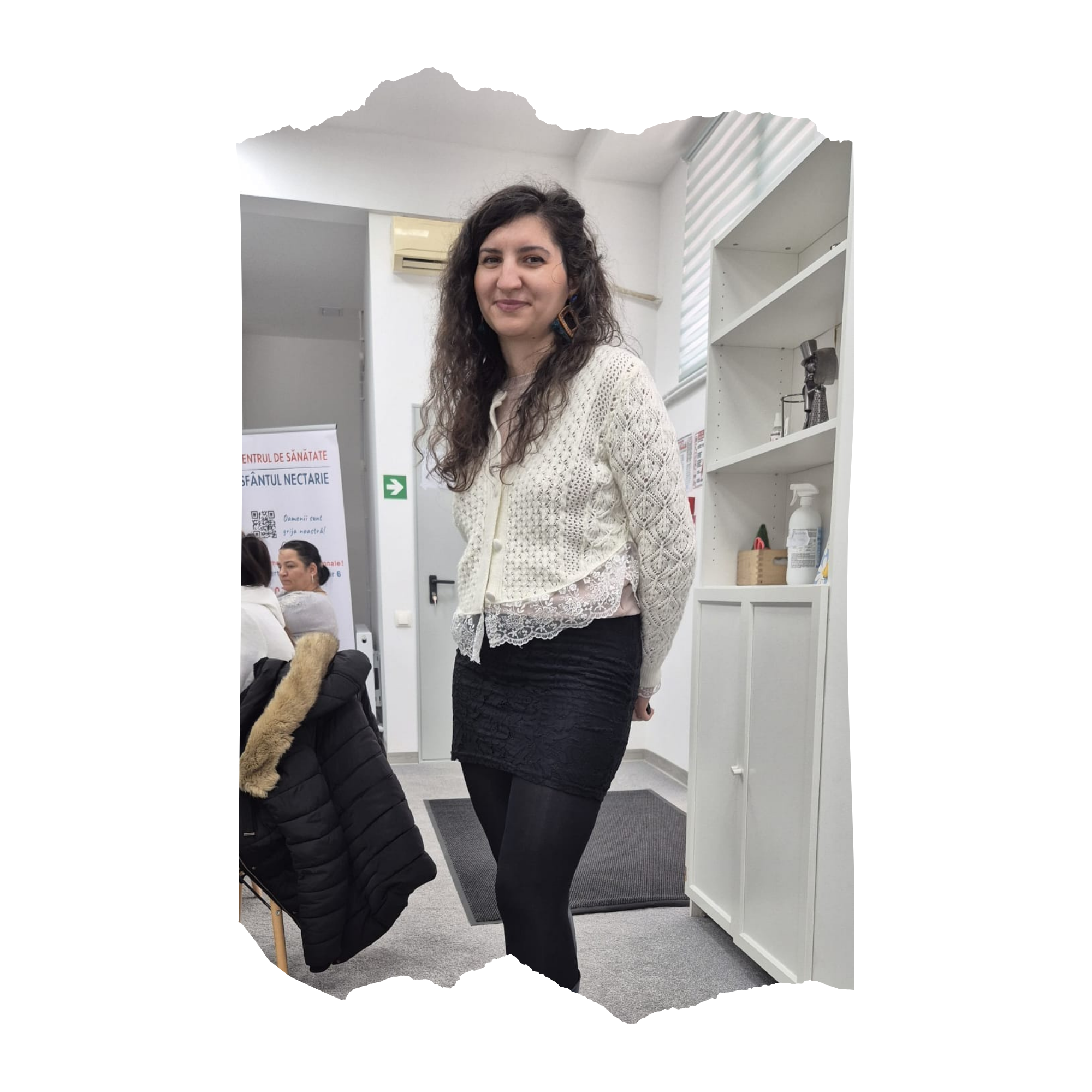
Ramona Enache
Youth Worker & Co-Facilitator
Ramona began her Erasmus+ journey as a participant and evolved into a trainer, facilitator, and certified career coach. Her work focuses on social inclusion, democratic values, non-formal learning, and youth empowerment. In PBT, Ramona co-facilitates group sessions, supports the emotional dynamics of the group, and leads workshops on self-awareness and youth voice.
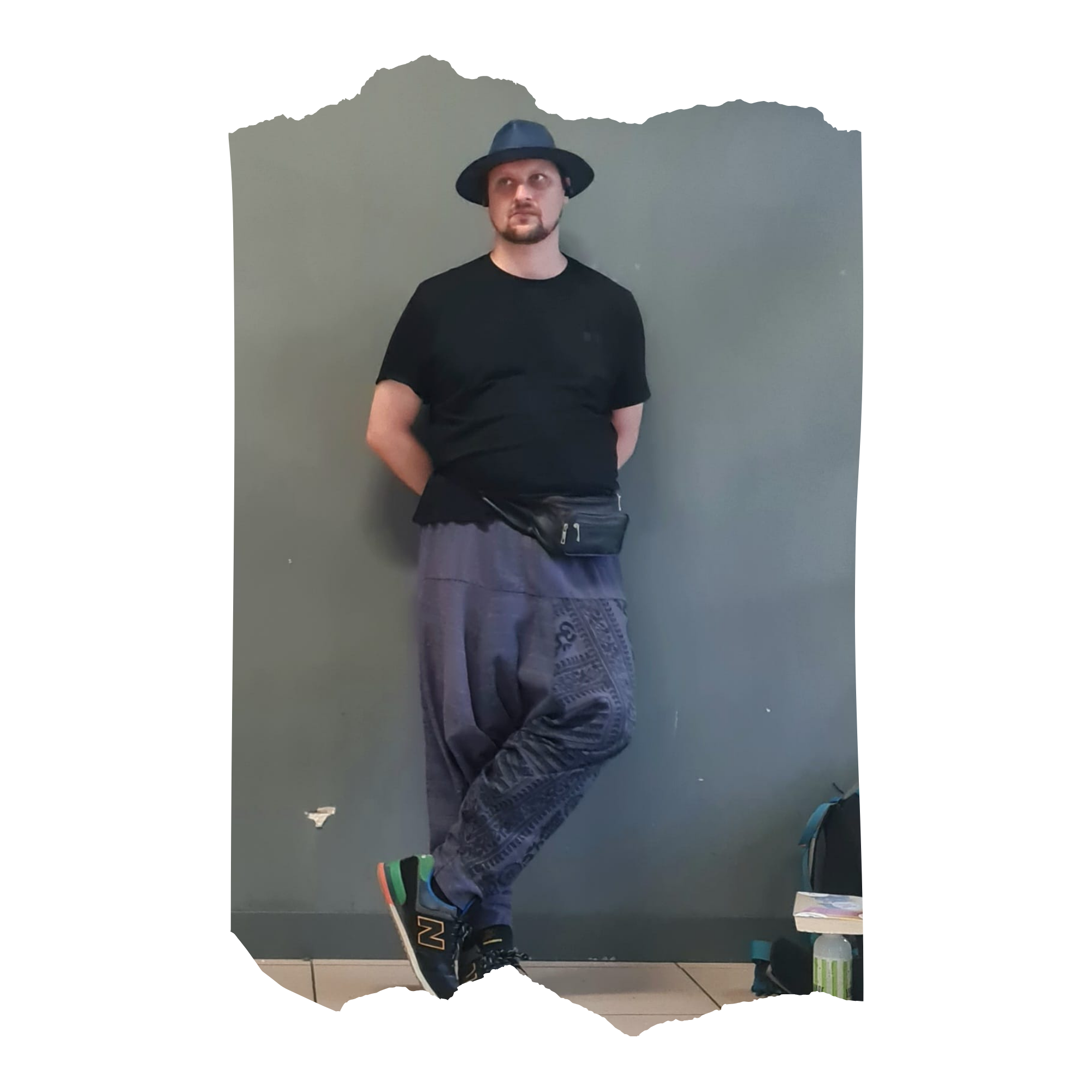
Dan Schimbischi
Project Manager & Lead Trainer
A certified NLP Master Practitioner with over a decade of experience in designing and delivering training programmes for youth workers and educators. Dan is responsible for the overall learning architecture, the facilitation of core NLP-based sessions — communication strategies, anchoring, belief change, coaching models — and the monitoring of individual learning progress through Youthpass and reflection tools.

A week in the mountains of Romania

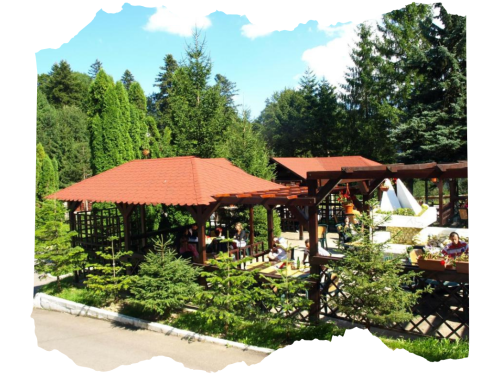
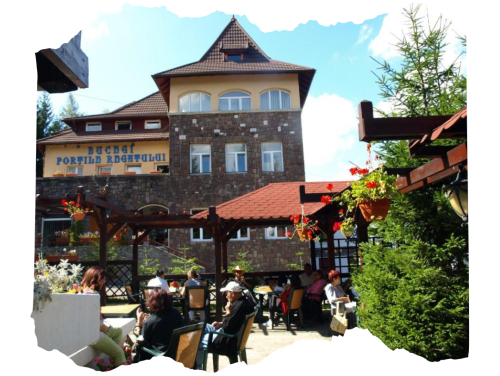
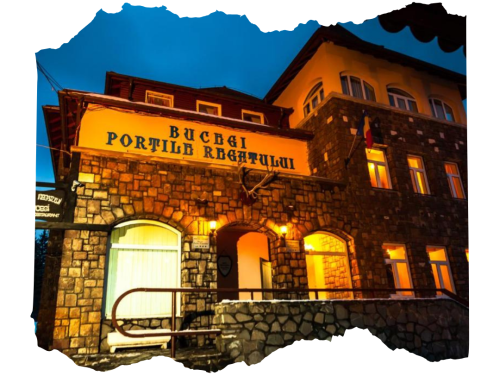
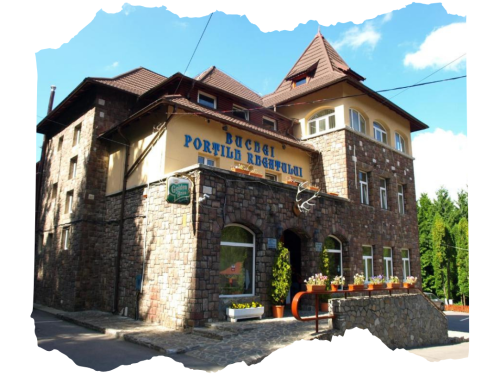
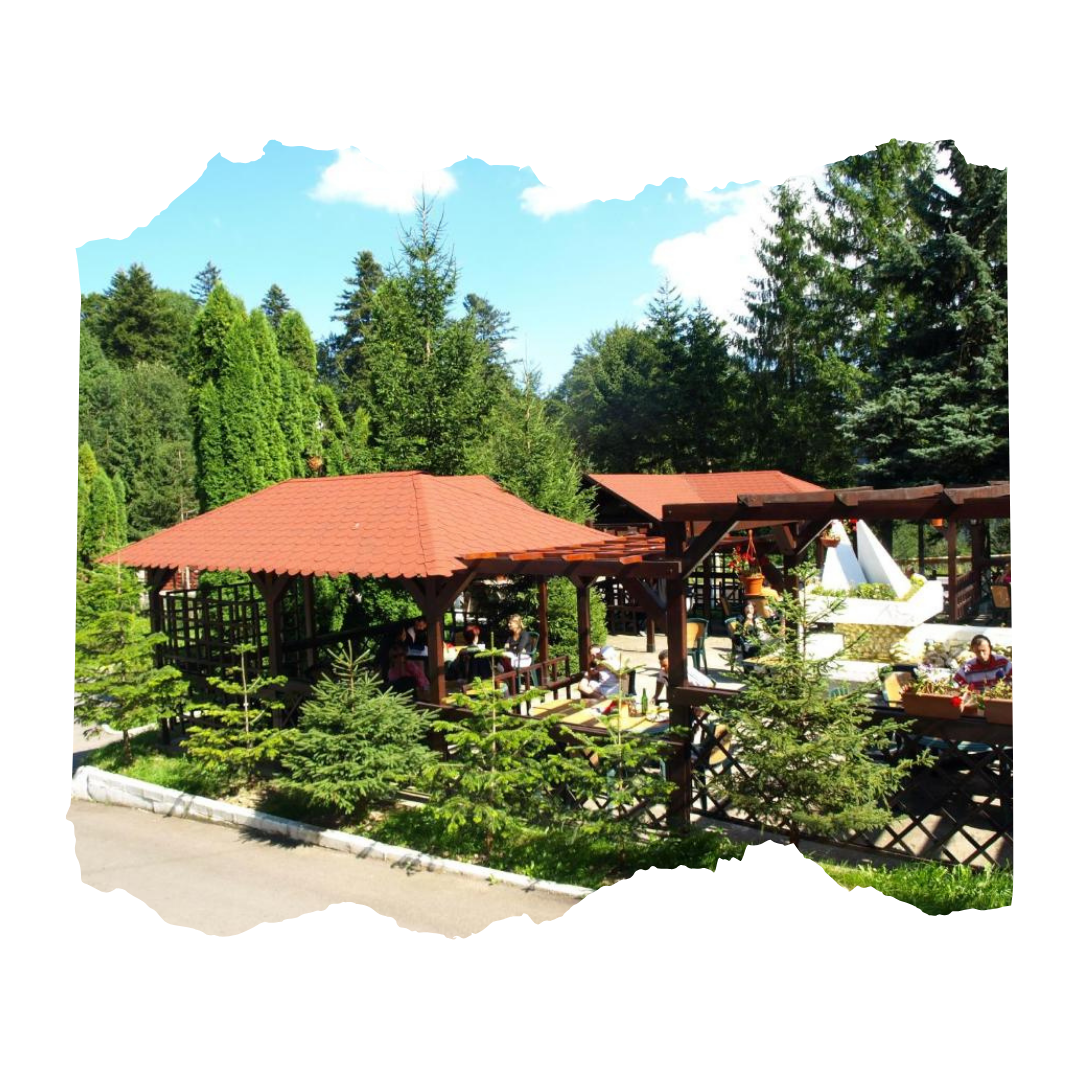
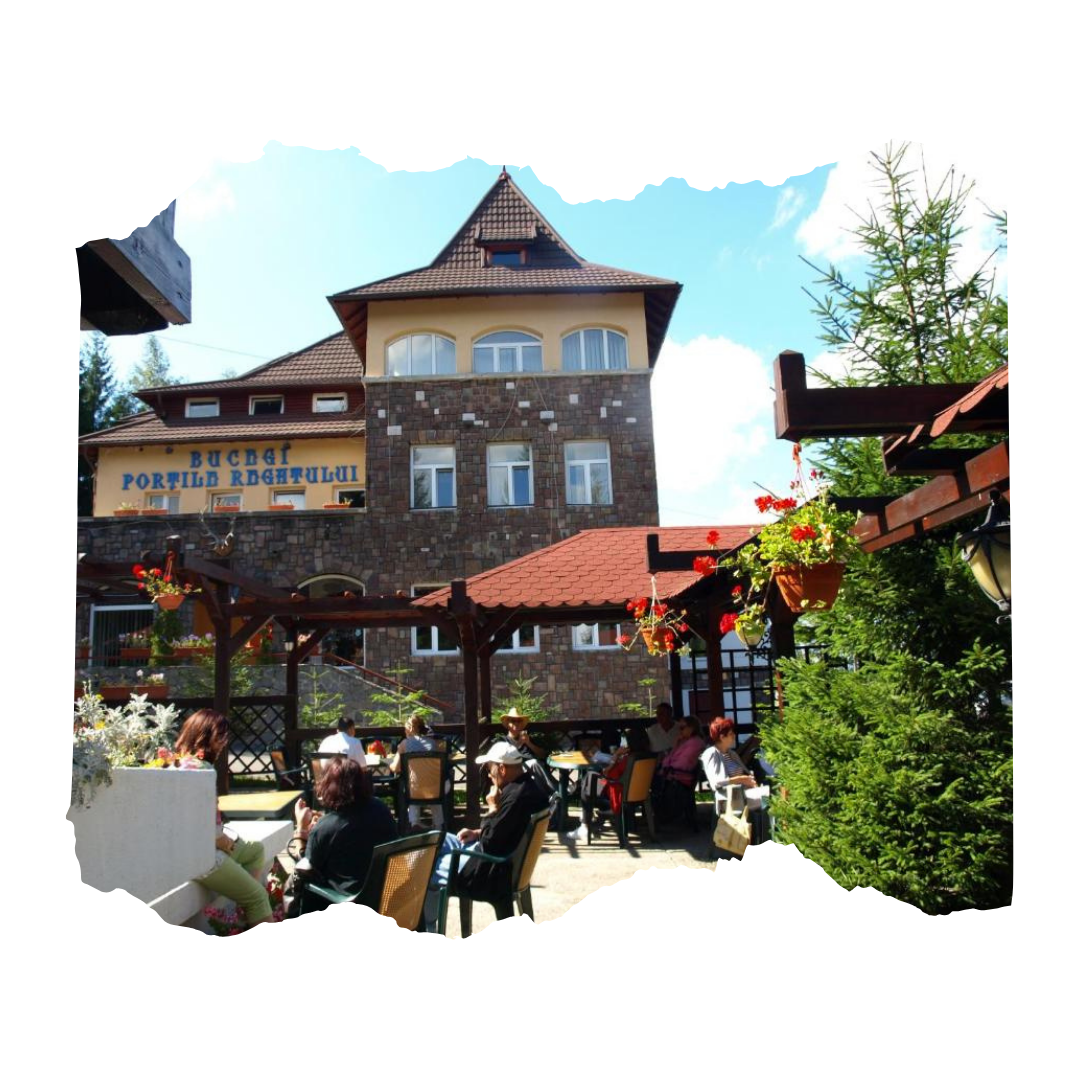
The heart of the PBT project is a six-day residential training course held in Pârâul Rece, Brașov County — a mountain location chosen for its calm, natural environment, which supports the reflective and experiential learning process at the core of the programme.

📍 Location: Pârâul Rece, Brașov County, Romania — Hotel Bucegi Porțile Regatului

📅 Dates: 21–28 June 2026 (including travel days)

👥 Participants: 24 youth workers + 2 trainers from 6 countries

🌍 Working language: English

🏨 Accommodation: Shared rooms (2–3 persons), full board included

Who participates

Participants are active youth workers — staff or volunteers — from the six partner countries, selected by their sending organisation. They are professionals motivated to strengthen their facilitation skills and bring new tools back to their communities. The course is designed for practitioners at all levels, from early-career youth workers to experienced trainers seeking to enrich their methodology.

All participants receive a Youthpass certificate upon completion, formally recognising their learning outcomes and competence development in line with the European Youth Work Agenda.
What the project produces

  • A shared European toolkit of coaching and NLP methods for youth work facilitation
  • A collaborative document consolidating real-world challenges from youth workers across six countries and evidence-based NLP responses
  • Youthpass certificates for all 24 participants, formally recognising their competence development
  • Six national dissemination events — one per partner country — sharing the results with local youth, practitioners, NGOs, and public institutions
  • Individual social media posts by each participant presenting the project to their networks
  • Daily social media content produced during the training course, shared on AsterX’s platforms

Dissemination events

Dağcılık Doğa Spor Kulübü
Türkiye, Adana
Upcoming Dissemination Event

Stay tuned for updates, photos, and highlights from the event.

Tudatosságért és Környezetért Alapítvány
Hungary, Budapest
Upcoming Dissemination Event
Stay tuned for updates, inspiring stories, participant reflections, photos, and highlights from the event.
Associazione Eurokom
Italy, Gerace (Calabria)
Upcoming Dissemination Event

Stay tuned for updates, photos, and highlights from the event.

AsterX Association
Romania, Călărași
Upcoming Event

Stay tuned for updates, photos, and highlights from the event.

I Like Dublin
Ireland, Balbriggan
Upcoming Dissemination Event

Stay tuned for updates, photos, and highlights from the event.

Hellas for Us
Greece, Kozani
Upcoming Dissemination Event

Stay tuned for updates, photos, and highlights from the event.

Results

Superpowers - GIF
The participants discovered many superpowers that the youth workers can have in order to maintain the balance with their own youth groups.
Which one is yours?
Superpowers - GIF
Metaprograms
How would you feel if you would understand better some behaviour patterns and you would prepare your team based on their way of acting? Here are 6 metaprograms described.
Metaprograms
Personal Development plans
Any activity have tipical or atipical behaviours or reactions from the participants. Here are some usefull toolbox that you can use in similar situations with your group.
Personal Development plans

Gallery

Contact

Coordinator

Partners

  • I Like Dublin
  • Hellas for Us
  • Dağcılık Doğa Spor Kulübü
  • Tudatosságért és Környezetért Alapítvány
  • Associazione Eurokom

Funded by the European Union. Views and opinions expressed are however those of the author(s) only and do not necessarily reflect those of the European Union or the National Agency for Community Programs in the Field of Education and Vocational Training (ANPCDEFP). Neither the European Union nor ANPCDEFP can be held responsible for them.